
Blog

Your blog category

Blog

“Scoop Up the Savings: Mastering Low-Calorie Ice Cream for Guilt-Free Indulgence”

Low-calorie ice cream offers a guilt-free way to enjoy this classic dessert by slashing calories through smart ingredient swaps. Brands and homemade recipes make it accessible for health-conscious eaters like those managing weight or sugar intake. What Defines It Low-calorie ice cream typically has 40–150 calories per serving, far below traditional ice cream’s 200–300. It uses low-fat dairy, milk alternatives like almond or oat, and sweeteners such as stevia, monk fruit, or erythritol instead of sugar. These changes cut fat and carbs while often boosting protein for satiety. Top Brands Popular options balance taste and nutrition. Brand Calories/Serving Key Features Halo Top 70–100 High protein, dairy-free options Yasso 80 Greek yogurt base, low fat Enlightened 80–100 Low sugar, high protein bars ​ Nick’s 90 Swedish-style, fiber-rich ​ Arctic Zero 40–90 Nondairy, lactose-free ​ In India, this market is surging, projected to grow with vegan demand due to lactose issues. Homemade Recipes Make it fresh with simple ingredients. Strawberry Cottage Cheese: Blend frozen low-fat cottage cheese, strawberries, almond milk, and sweetener. Yields 137 calories/serving, 14g protein. ​ Peppermint Chocolate: Puree banana, spinach, coconut milk, extract, and chips. 153 calories total. ​ Iced Coffee: Freeze cottage cheese, espresso, vanilla, sweetener; process smooth. 144 calories/serving, 20g protein. ​ Health Considerations These treats aid portion control but watch for sugar alcohols causing bloating. Opt for fewer ingredients to maximize benefits, as not all are truly “healthy.” They’re ideal for fitness routines like running or fasting

Blog

Why Choose Whoop Scoop?

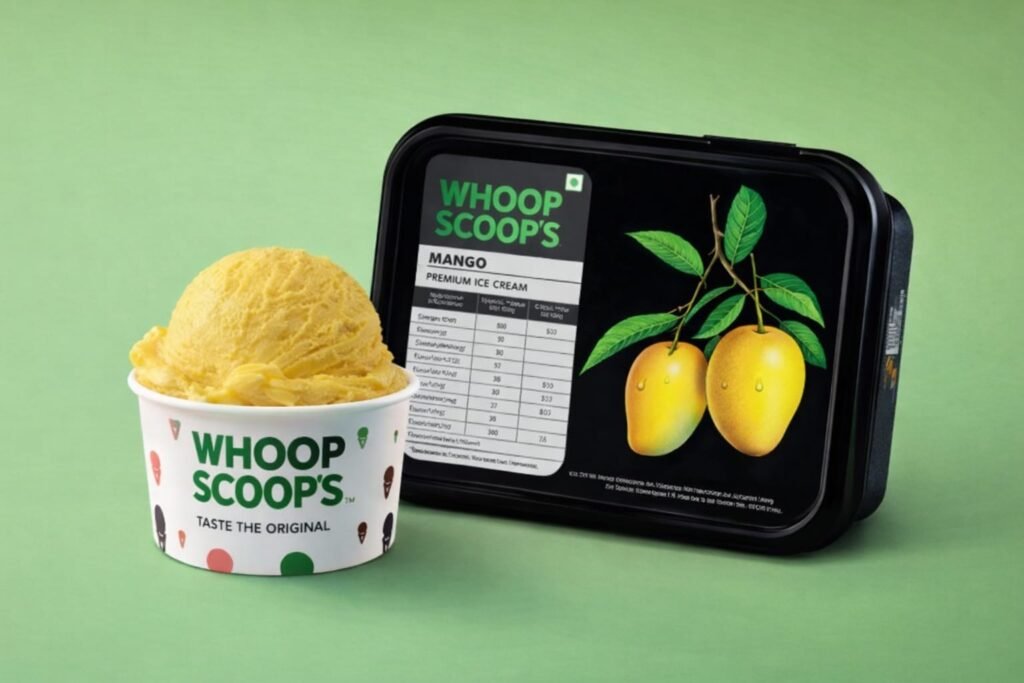
Whoop Scoop Ice Cream revolutionizes indulgence with its fruit-forward philosophy, blending real fruits directly into creamy bases for a naturally vibrant treat. By prioritizing fresh, whole fruits over artificial flavors or excessive sugars, Whoop Scoop delivers refreshing scoops that burst with authentic taste and nutrition, perfect for health-savvy dessert lovers. Fruit-Powered Innovation At Whoop Scoop, fruits aren’t just mix-ins—they’re the star. We puree ripe mangoes, strawberries, blueberries, and kiwis right into our ice cream base, infusing every bite with juicy sweetness and vivid color. This approach cuts reliance on refined sugars by up to 40%, as fruits provide natural fructose balanced by fiber. Our signature flavors—like Tropical Mango Swirl or Berry Blast Dream—use seasonal, locally sourced fruits to ensure peak freshness and minimal processing. The process is simple yet transformative: Fruits are blended smooth, then churned with a low-fat milk or plant-based base (coconut or almond) and stabilized with natural pectin from citrus peels. This locks in fruit’s moisture, preventing icy textures while amplifying flavor intensity. No synthetic colors or preservatives needed—nature does the work. Health Benefits Whoop Scoop’s fruit-infused ice creams pack a nutritional punch. Each serving delivers 15-20% of your daily vitamin C from berries or citrus, plus antioxidants like anthocyanins that fight inflammation and support heart health. Fiber from pureed fruits aids digestion, promotes satiety, and stabilizes blood sugar—ideal for diabetics or those watching carbs (under 12g net per scoop). Potassium-rich bananas and mangoes bolster muscle recovery, making it a post-workout ally. Compared to traditional ice creams, ours slash calories by 25% (around 140 per serving) without skimping on creaminess. Probiotic-friendly options with yogurt bases enhance gut health, turning dessert into a sneaky superfood. Flavor Highlights Mango Lassi Dream: Creamy yogurt base swirled with Alphonso mango puree for a tropical, protein-packed twist. Wild Berry Medley: Antioxidant explosion from mixed berries, naturally tart-sweet. Kiwi Lime Zest: Refreshing green fusion with a zingy kick, vitamin-boosted. Pineapple Coconut Breeze: Dairy-free delight evoking beachside vacations. These flavors evolve seasonally, celebrating fruits like India’s jackfruit or guava during monsoons. Why Choose Whoop Scoop? In a market flooded with ultra-processed sweets, Whoop Scoop stands out for its clean-label ethos. Fruits replace sugars and fats, fostering guilt-free indulgence that aligns with wellness trends. Ideal for families, fitness enthusiasts, or anyone curbing sugar—yet indulgent enough for parties. Our small-batch production in Indore ensures quality, with eco-friendly packaging. Projected growth taps into India’s booming frozen dessert scene, valued at $2.5 billion. Join the Whoop Scoop movement: Where fruits scoop up joy, one healthy bite at a time.

Blog

Low Sugar Ice Cream Health Benifts

Low-sugar ice cream has emerged as a popular choice for health-conscious consumers seeking indulgence without the guilt of excessive sugar. By slashing sugar content by 50-80% through alternatives like stevia, monk fruit, or erythritol, these treats offer a compelling middle ground between full-fat classics and bland diet options. This shift aligns with rising demands for low-glycemic desserts amid growing diabetes rates and wellness trends. Health Benefits The primary advantage lies in blood sugar management. Traditional ice cream packs 20-30g of sugar per serving, spiking glucose levels rapidly. Low-sugar versions minimize this, making them suitable for diabetics, prediabetics, or anyone practicing intermittent fasting. Natural zero-calorie sweeteners like stevia maintain sweetness without insulin response, supporting steady energy and reducing fatigue crashes. Weight control benefits from lower calorie density—often 100-150 calories per scoop versus 250+ in regulars—while preserving creaminess via bulking agents like inulin. These fibers also promote gut health by feeding beneficial bacteria, aiding digestion and satiety. Antioxidant-rich add-ins such as berries, dark chocolate, or nuts amplify nutritional value, combating oxidative stress linked to chronic diseases. For active lifestyles, the reduced carbs (under 10g net per serving) prevent energy dips, ideal for post-workout snacks. Studies affirm sensory parity with full-sugar ice creams, boosting adherence to healthier habits without deprivation. Overall, they foster heart health by curbing excess sugars that contribute to triglycerides and inflammation. Potential Drawbacks Despite upsides, pitfalls exist. Sugar alcohols (erythritol, maltitol) responsible for bulk and texture can ferment in the gut, causing bloating, gas, or diarrhea—especially over 20-30g daily. Sensitive users, including those with IBS, report discomfort after just one serving. Some formulations rely on artificial sweeteners like aspartame, potentially triggering migraines, allergic reactions, or gut microbiome shifts with prolonged use. Though rare, these effects warrant caution for migraine-prone individuals. Calorie density remains if relying on high-fat bases like cream or coconut milk; a “healthy” pint can still exceed 1,000 calories. Overconsumption risks undoing benefits, as the brain’s reward pathways may sustain cravings despite lower sugars. Texture challenges persist: without sugar’s freezing-point depression, low-sugar ice creams can turn icy or gritty if poorly formulated. Shelf life shortens due to higher water activity, leading to quicker freezer burn. Label scrutiny is essential— “no added sugar” doesn’t mean sugar-free, as milk solids contribute natural lactose (up to 10g per serving). Cross-check for hidden carbs from stabilizers. Balancing Act Low-sugar ice cream shines for moderation but isn’t a free pass. Portion control (1/2 cup max) and pairing with protein (nuts, yogurt) enhance benefits. For optimal health, homemade versions let you tweak sweeteners and avoid preservatives. As markets grow—projected at 9% CAGR—this innovation democratizes desserts, but informed choices maximize gains while sidestepping traps.

Scroll to Top